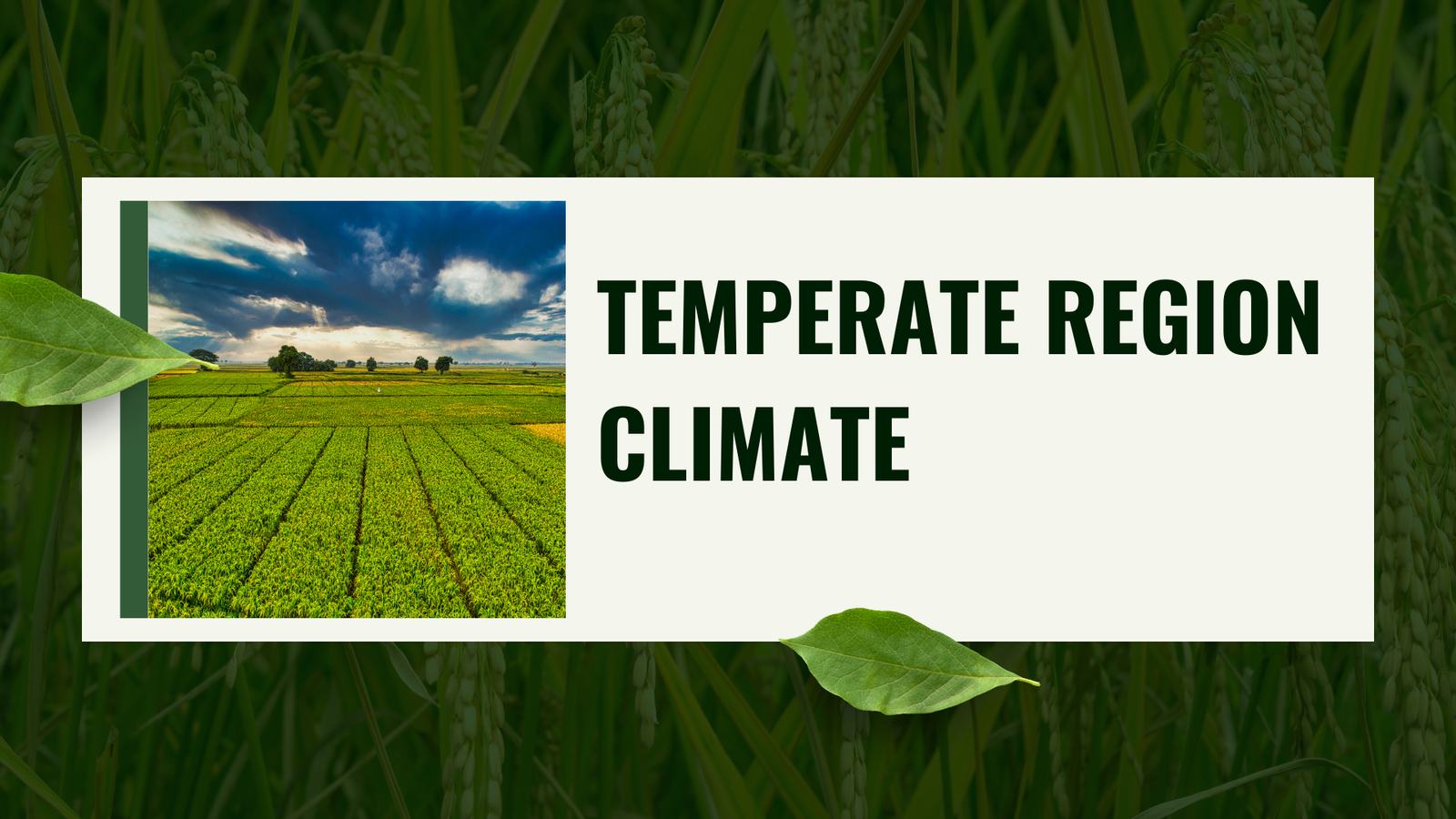
Temperate regions cover a large part of the Earth’s mid-latitudes and are home to millions of people. Understanding temperate region climate is essential for students, travelers, and environmental enthusiasts. In this guide, I will explain the characteristics, seasons, rainfall, and human impact of temperate climates, sharing practical insights and examples.
What Are Temperate Regions?
Temperate regions are located between the tropics and the polar circles, roughly 23.5° to 66.5° latitude in both hemispheres. These regions experience moderate temperatures and distinct seasons, making them different from tropical or polar climates.
Key areas include:
- North America: Eastern USA, Western Europe
- Europe: UK, Germany, France
- Asia: Japan, parts of China
- Southern Hemisphere: Southern Australia, New Zealand
From my experience, temperate regions provide a balanced climate, suitable for agriculture, urban life, and tourism.
Key Characteristics of Temperate Region Climate
1. Moderate Temperatures
Temperate regions have mild to warm summers and cool to cold winters. Average annual temperatures typically range from 5°C to 20°C (41°F – 68°F).
2. Distinct Seasons
Temperate climates feature four distinct seasons:
- Spring: Warming temperatures, increasing daylight, blooming vegetation
- Summer: Warm, sometimes humid, ideal for outdoor activities
- Autumn: Cooling temperatures, colorful foliage, harvest season
- Winter: Cold, occasional snow, shorter daylight hours
3. Precipitation Patterns
Rainfall is well-distributed throughout the year, supporting forests, crops, and water resources. Some areas experience occasional snowfall in winter.
4. Wind and Humidity
Temperate regions experience moderate wind speeds and average humidity, contributing to comfortable living conditions compared to tropical or polar zones.
Types of Temperate Climates
Temperate regions can be divided into several types:
- Marine West Coast (Cfb)
- Mild summers and winters, frequent rainfall
- Example: London, UK; Vancouver, Canada
- Mediterranean (Csa/Csb)
- Hot, dry summers and mild, wet winters
- Example: Rome, Italy; Los Angeles, USA
- Humid Subtropical (Cfa)
- Hot summers, mild winters, humid conditions
- Example: Tokyo, Japan; Atlanta, USA
- Continental (Dfa/Dfb)
- Hot summers, cold winters, moderate precipitation
- Example: Moscow, Russia; Chicago, USA
Understanding these types helps predict weather patterns, plan agriculture, and prepare for seasonal events.
How Temperate Climate Affects Life
- Agriculture
The moderate climate and well-distributed rainfall allow cultivation of grains, vegetables, fruits, and livestock farming. Crops like wheat, corn, apples, and grapes thrive in temperate zones. - Human Settlement
Moderate climate supports large populations, urbanization, and infrastructure development. Cities in temperate regions are often well-planned and economically active. - Tourism and Recreation
Seasonal variations attract tourists for skiing in winter, hiking in autumn, and beach activities in summer. - Biodiversity
Temperate forests and grasslands support diverse plant and animal species, contributing to ecological balance.
From my 6+ years of experience, these characteristics make temperate climates highly livable and productive.
Challenges in Temperate Regions
- Weather Variability: Sudden storms or temperature changes can occur due to shifting air masses.
- Floods and Snowstorms: Occasional extreme weather events can impact life and infrastructure.
- Climate Change Effects: Rising temperatures and changing precipitation patterns affect agriculture and ecosystems.
By understanding the temperate region climate, communities can prepare, adapt, and mitigate risks.
Practical Tips for Living or Visiting Temperate Regions
- Clothing: Layered clothing works best to adjust to changing temperatures throughout the day.
- Travel Planning: Check seasonal weather forecasts for outdoor activities.
- Agriculture: Choose crops suited to local temperate climate type.
- Environmental Care: Preserve forests and water sources to maintain ecological balance.
These practical tips enhance comfort, safety, and productivity in temperate climates.
FAQs About Temperate Region Climate
Q1: What is the average temperature in temperate regions?
A1: Temperatures usually range between 5°C and 20°C (41°F – 68°F) depending on season and location.
Q2: How many seasons do temperate regions have?
A2: Four distinct seasons: spring, summer, autumn, and winter.
Q3: Is rainfall evenly distributed in temperate climates?
A3: Generally yes, but patterns may vary slightly depending on climate type (marine, Mediterranean, continental).
Q4: Which crops grow well in temperate regions?
A4: Wheat, corn, apples, grapes, vegetables, and livestock farming are common.
Q5: Are temperate regions affected by climate change?
A5: Yes, rising temperatures, shifting rainfall, and extreme events affect agriculture, biodiversity, and urban life.
Final Thoughts
From my 6+ years of experience in the information sector, studying temperate region climate shows why these regions are ideal for human settlement, agriculture, and biodiversity. The moderate temperatures, distinct seasons, and well-distributed rainfall make temperate zones highly productive and livable.
Understanding the climate helps individuals, farmers, and policymakers plan activities, manage resources, and adapt to environmental changes effectively. Temperate regions are not only comfortable for daily life but also essential for global ecological and economic stability.