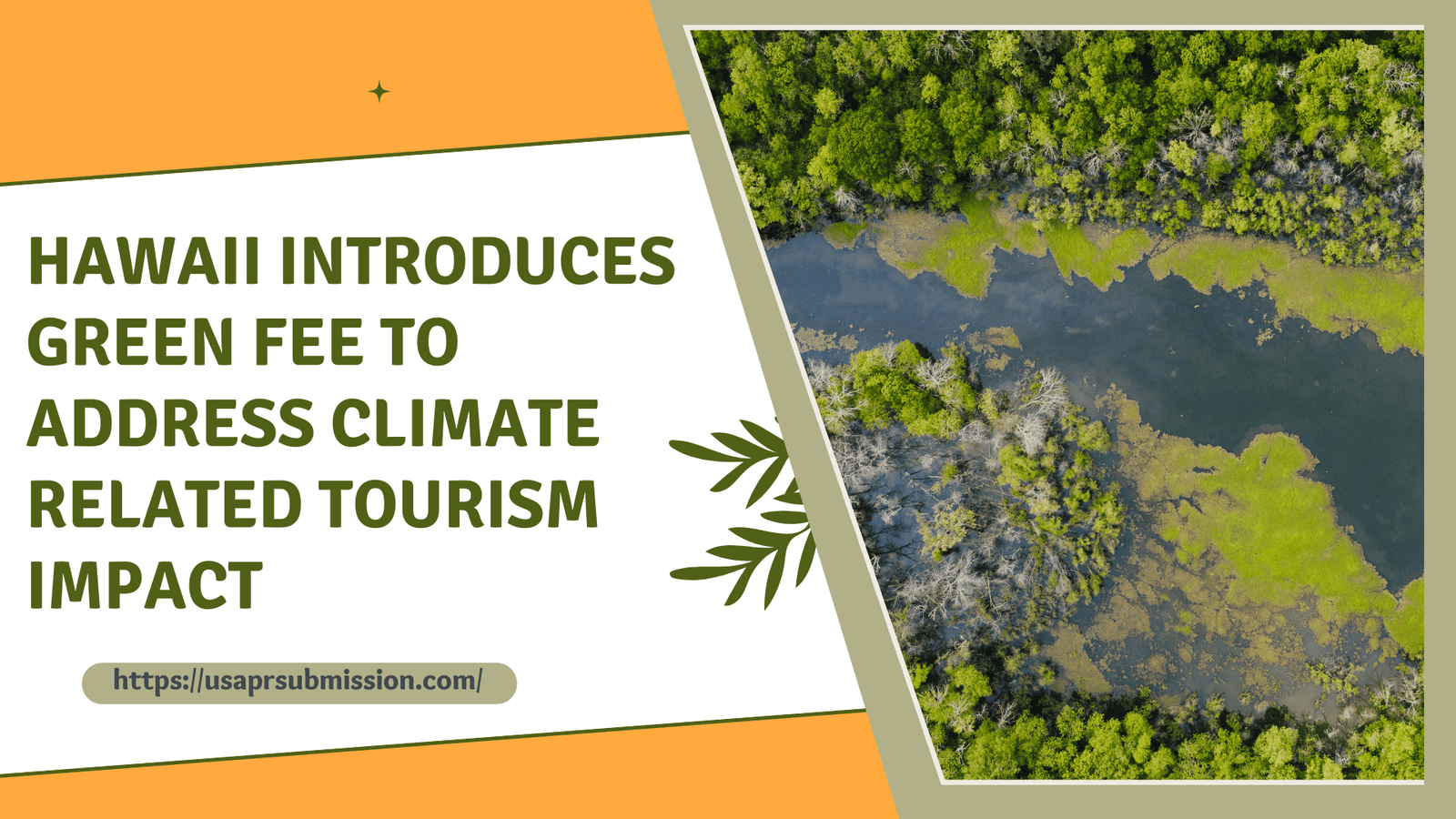
Hello, I’m Khuram, and I’ve been writing in the information sector for over six years. Today, I want to discuss a significant and timely development: Hawaii introducing a green fee to address climate-related tourism impact.
Hawaii has long been a global paradise for travelers. Its stunning beaches, volcanic landscapes, tropical forests, and rich culture attract millions each year. However, with the rise of tourism comes environmental challenges, including increased carbon emissions, water and energy use, waste management issues, and the pressure on fragile ecosystems. In response, Hawaii’s new green fee initiative aims to mitigate these impacts while ensuring sustainable tourism for the future.
In this article, I will explore what the green fee is, why it matters, how it will be implemented, and its broader implications for travelers, locals, and the environment.
Understanding the Green Fee
The green fee is a small, per-visitor charge designed to fund environmental protection and climate mitigation efforts. Hawaii plans to use this revenue to support projects that reduce the ecological footprint of tourism, including:
- Conservation of coral reefs and marine life
- Reforestation and native habitat restoration
- Renewable energy projects in tourist-heavy areas
- Waste reduction and recycling programs
- Climate education and awareness campaigns
While the exact fee structure may vary depending on the island and type of visitor (domestic or international), the goal is clear: balance tourism growth with environmental sustainability.
Why Hawaii Needs a Green Fee
Tourism is vital for Hawaii’s economy, contributing nearly $20 billion annually and supporting hundreds of thousands of jobs. Yet, the environmental costs are mounting. Some of the key issues include:
- Coastal Erosion and Coral Reef Damage: Millions of tourists visiting beaches and snorkeling sites accelerate erosion and damage fragile reefs.
- Carbon Footprint: Air travel alone contributes significantly to greenhouse gas emissions.
- Water and Energy Use: Resorts, hotels, and tourist attractions consume large amounts of water and electricity, straining local resources.
- Waste Management: More tourists generate more trash, increasing landfill use and pollution risks.
- Pressure on Wildlife and Forests: Popular hiking trails and natural parks face overcrowding, leading to habitat disturbance.
Introducing a green fee is one way Hawaii can internalize the environmental costs of tourism, ensuring that those who benefit from visiting also contribute to preserving the natural beauty that attracts them in the first place.
How the Green Fee Will Work
Hawaii’s green fee initiative is designed to be straightforward and transparent. Here’s what travelers can expect:
1. Fee Collection
Visitors will pay a small fee per trip or per night, depending on how long they stay and which islands they visit. Airlines, hotels, and rental platforms may collect the fee at the point of booking to simplify administration.
2. Revenue Allocation
Collected funds will be earmarked for specific environmental projects, such as:
- Coral reef restoration programs in Maui and Oahu
- Native forest conservation in Kauai and Big Island
- Waste reduction campaigns across all islands
- Public awareness campaigns about sustainable travel practices
3. Transparency and Reporting
Hawaii plans to publish annual reports showing exactly how green fee funds are used. This transparency helps tourists understand their contribution and fosters trust in the program.
Benefits of the Green Fee
The green fee has multiple advantages for Hawaii, visitors, and the environment:
Environmental Benefits
- Protecting Fragile Ecosystems: Funds support restoration of coral reefs, beaches, and native forests.
- Reducing Carbon Footprint: Some revenue may be used to support renewable energy initiatives in tourist-heavy areas.
- Sustainable Resource Management: More funds for water conservation, waste management, and eco-friendly infrastructure.
Economic and Social Benefits
- Sustainable Tourism: Ensures that tourism remains a viable economic driver without degrading natural resources.
- Job Creation: Conservation and sustainability projects can generate local employment opportunities.
- Enhanced Visitor Experience: Healthier ecosystems, cleaner beaches, and well-maintained trails improve overall tourist satisfaction.
Educational Benefits
- Climate Awareness: Funds can support educational programs about the impact of tourism on climate and ecosystems.
- Behavioral Change: Tourists may adopt more eco-conscious habits when they understand the direct link between fees and environmental protection.
Challenges and Considerations
While the green fee is a positive step, it also comes with challenges:
- Tourist Resistance: Some visitors may view the fee as an additional cost, potentially affecting travel decisions.
- Implementation Logistics: Collecting and distributing fees fairly across multiple islands and agencies requires careful planning.
- Equity Concerns: Local residents who rely on tourism for their livelihood should not bear disproportionate costs.
However, with clear communication, transparency, and well-managed projects, these challenges can be mitigated. Many countries and cities worldwide have implemented similar eco-fees successfully, showing that responsible tourism funding is both feasible and effective.
Case Studies: Learning from Global Practices
Hawaii is not the first destination to introduce a green fee. Looking at examples from other regions can provide valuable lessons:
- Costa Rica: A tourist environmental fee funds national park conservation and biodiversity protection.
- Bhutan: The country charges a daily sustainable tourism fee that covers accommodation, food, and eco-projects, ensuring tourism benefits the environment and economy.
- Galápagos Islands: Visitors pay a conservation fee to protect the unique ecosystems, contributing directly to wildlife preservation.
Hawaii can adopt similar strategies tailored to its local ecosystems, ensuring that every dollar collected actively preserves the islands’ natural beauty.
Human-Centered Perspective: Why This Matters
From my experience in the information sector, policies like Hawaii’s green fee demonstrate how thoughtful governance can balance economic growth and environmental responsibility. For travelers, it’s a chance to give back to the places they love. For locals, it’s a way to protect jobs, culture, and natural resources.
Sustainable tourism is not just about avoiding harm it’s about actively improving the environment and community outcomes. Paying a green fee is a small but meaningful step toward long-term preservation of Hawaii’s natural treasures.
FAQs
Q1: How much will the green fee cost per visitor?
A: While the exact amount may vary by island and length of stay, estimates suggest a few dollars per night or a flat fee per trip. The focus is on affordability while generating meaningful revenue.
Q2: Will locals have to pay the green fee?
A: Typically, residents may be exempt or pay reduced fees to ensure the policy is fair and does not burden local communities.
Q3: How will the money be used?
A: Funds will be allocated to environmental conservation projects, renewable energy initiatives, waste reduction programs, and educational campaigns.
Q4: Will this fee affect tourism numbers?
A: While some tourists may reconsider, the overall impact is expected to be minimal, especially as travelers increasingly value sustainable practices.
Q5: Can visitors see how the funds are used?
A: Yes, Hawaii plans to publish transparent annual reports showing exactly where green fee revenue is invested.
Q6: Is the green fee mandatory for all tourists?
A: Yes, all visitors will contribute, though implementation may vary based on the mode of travel (air, cruise, or inter-island).
Q7: Can this model help other tourist destinations?
A: Absolutely. Well-designed eco-fees can be adapted to other locations facing tourism-related environmental challenges.
Future Implications
Hawaii’s green fee is more than just a small financial charge it represents a shift in how tourism is approached globally. By linking tourism directly to environmental protection, Hawaii sets a precedent for responsible travel practices worldwide.
Some potential future outcomes include:
- Stronger Conservation Programs: Reliable funding allows for long-term planning in ecosystem management.
- Eco-Tourism Growth: Travelers may choose Hawaii because of its proactive sustainability measures.
- Global Leadership in Sustainable Tourism: Other destinations may adopt similar policies, creating a worldwide movement toward responsible tourism.
Final Thoughts
Hawaii’s decision to introduce a green fee is a significant step toward mitigating climate-related impacts of tourism. For visitors, it’s an opportunity to contribute positively to the environment while enjoying one of the world’s most beautiful destinations. For locals, it supports sustainable jobs, ecosystems, and cultural preservation.
From my experience writing about environmental and information topics, I can say that policies like this are essential in the 21st century. Tourism is not just an economic activity it’s a responsibility. By connecting revenue to tangible environmental outcomes, Hawaii is ensuring that its beaches, forests, and coral reefs remain vibrant for generations to come.
If you plan to visit Hawaii soon, be prepared to pay the green fee, but also take pride in knowing that your contribution directly supports the preservation of paradise. Thoughtful travel and sustainable practices are no longer optional they are necessary for protecting the world’s most precious ecosystems.